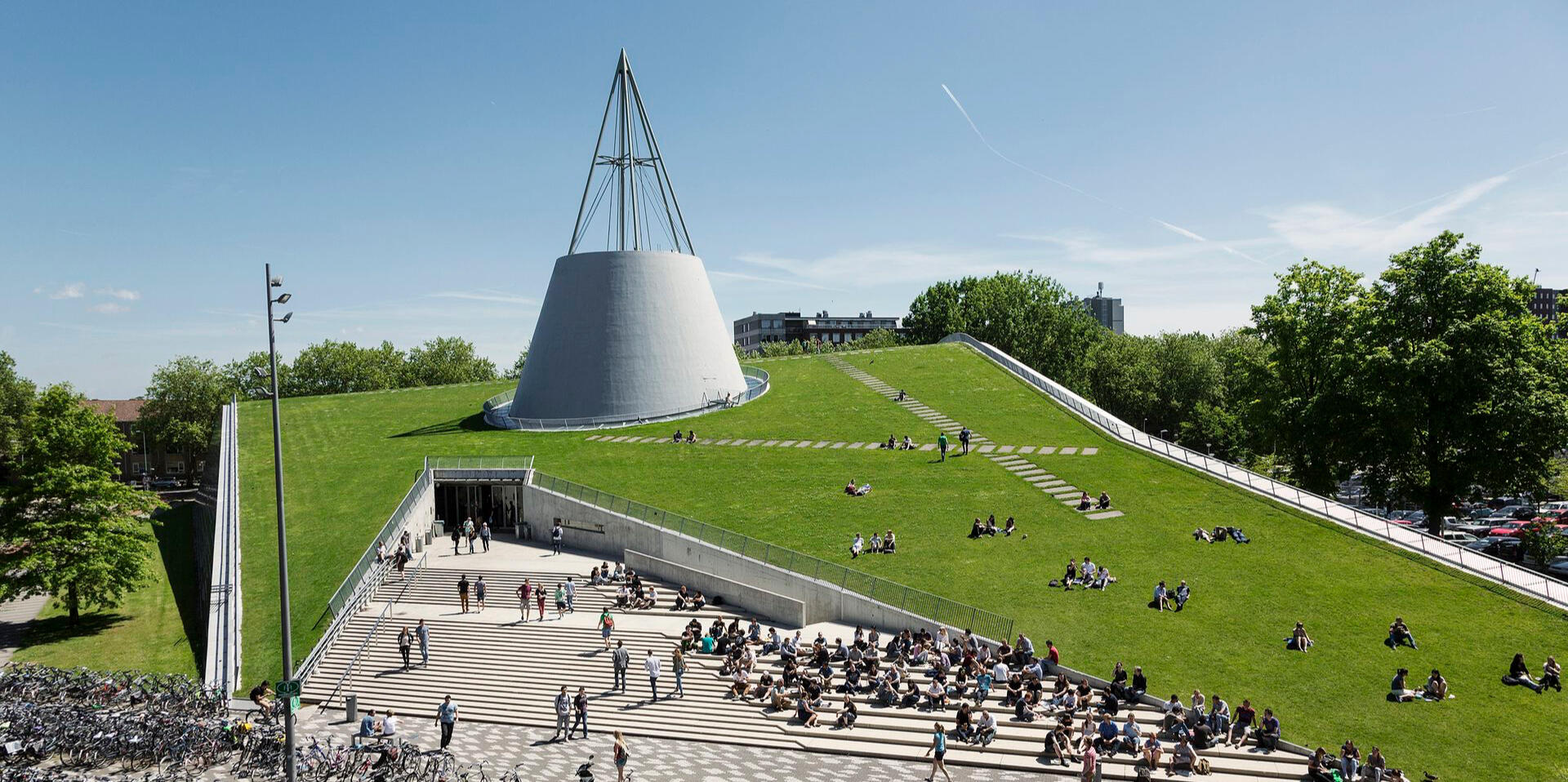
The Deep Design Lab is a research group led by Haluk Akay in the Faculty of Mechanical Engineering at TU Delft. We develop computational methods for generative design, preserving engineering knowledge, and predicting the externalities of design decisions. We collaborate regularly with industry and other research organizations.

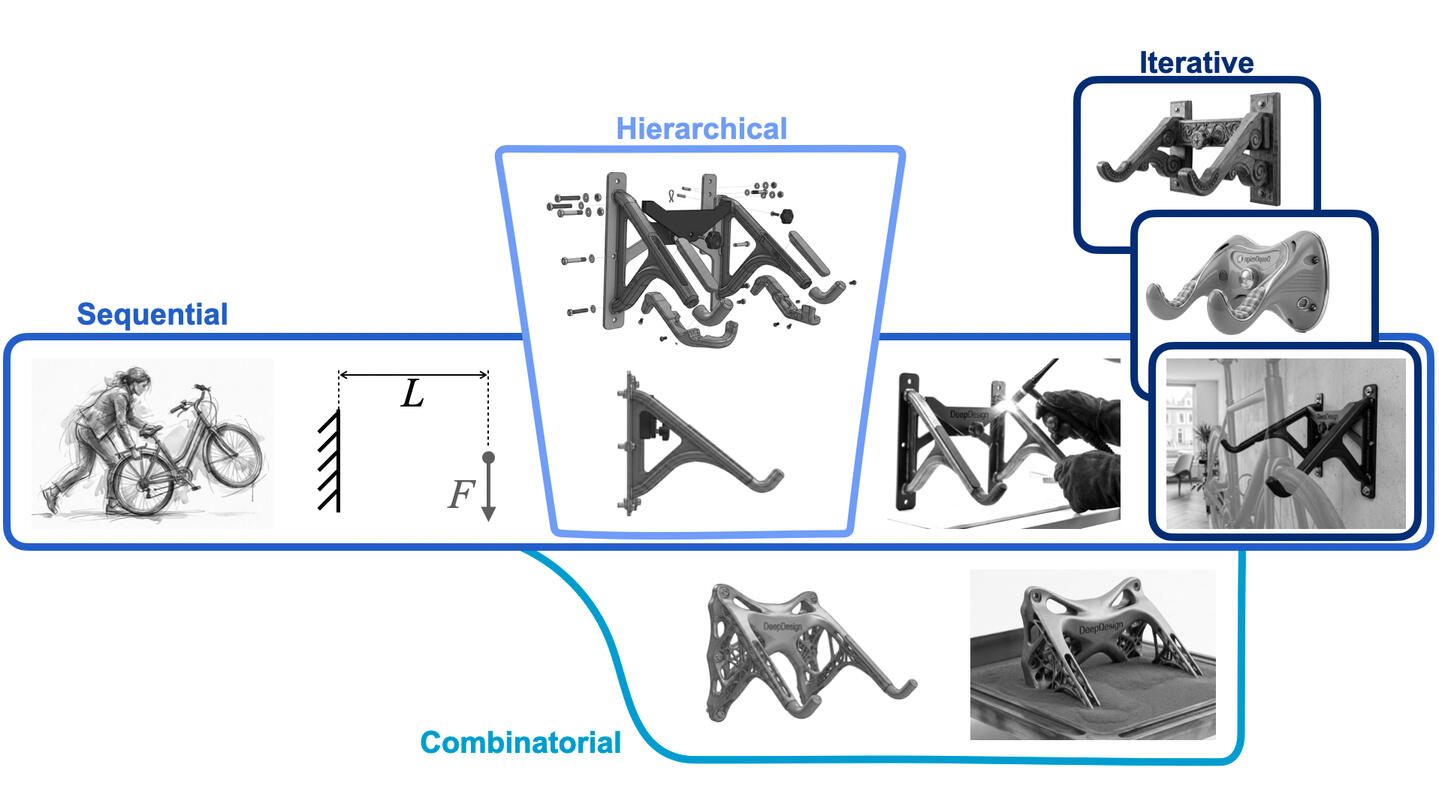
Generative Design
Knowledge Preservation
Sustainable Manufacturing
We collaborate with industry and other research organizations to develop computational methods for generative design, preserving design & manufacturing knowledge, and predicting the externalities of design decisions. Browse selected research projects below. For a full list of peer-reviewed publications, please refer to Google Scholar.
Active Research Projects
Machine Learning for Engineering Design Understanding
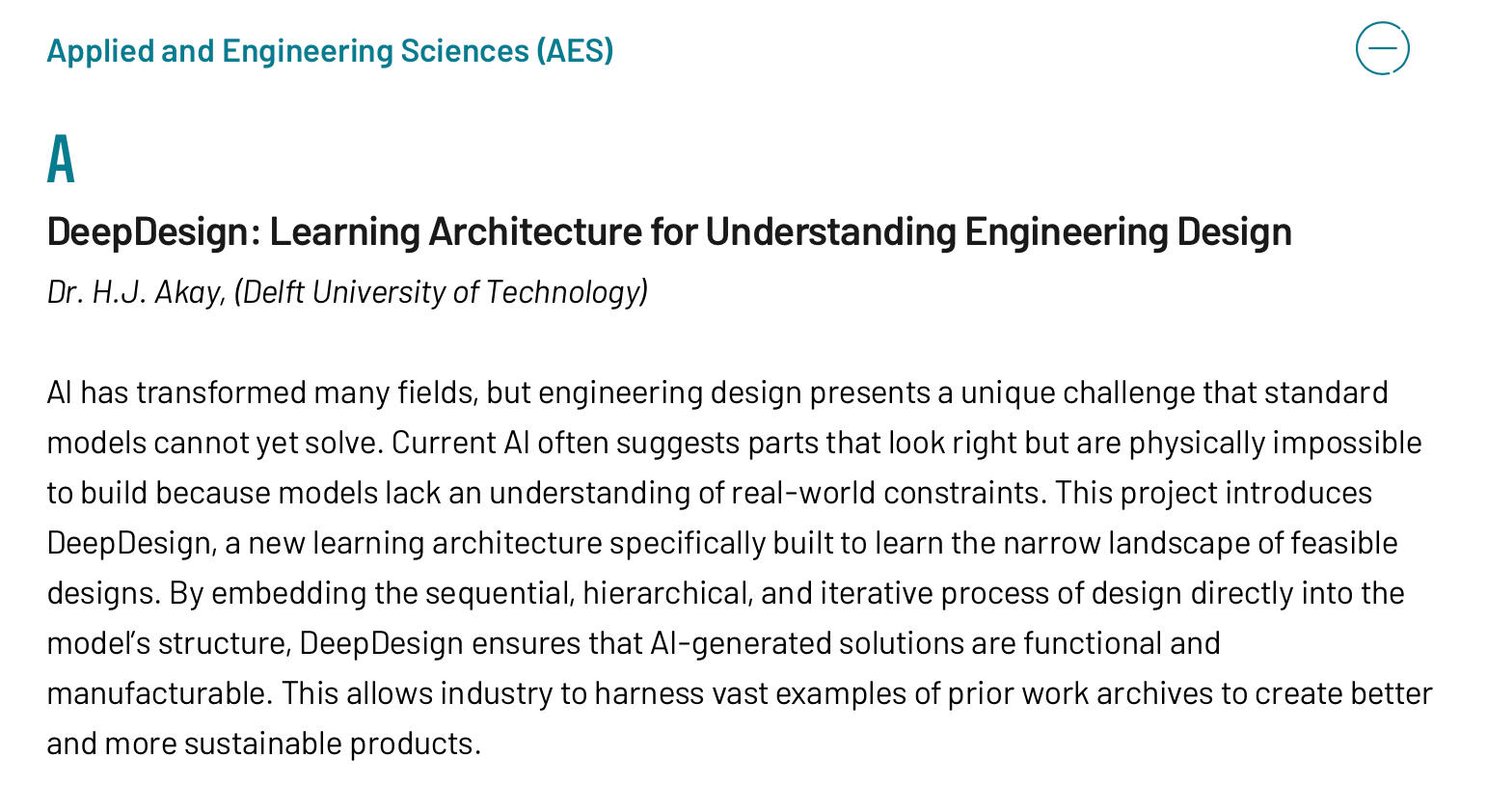
Starting 2027: AI has revolutionized fields with machine learning architectures tailored specifically to their data structure. This project aims to transform how machines understand the design process.Funded by:
+ NWO Veni Grant
+ ASML
Engineering Knowledge Preservation with AI
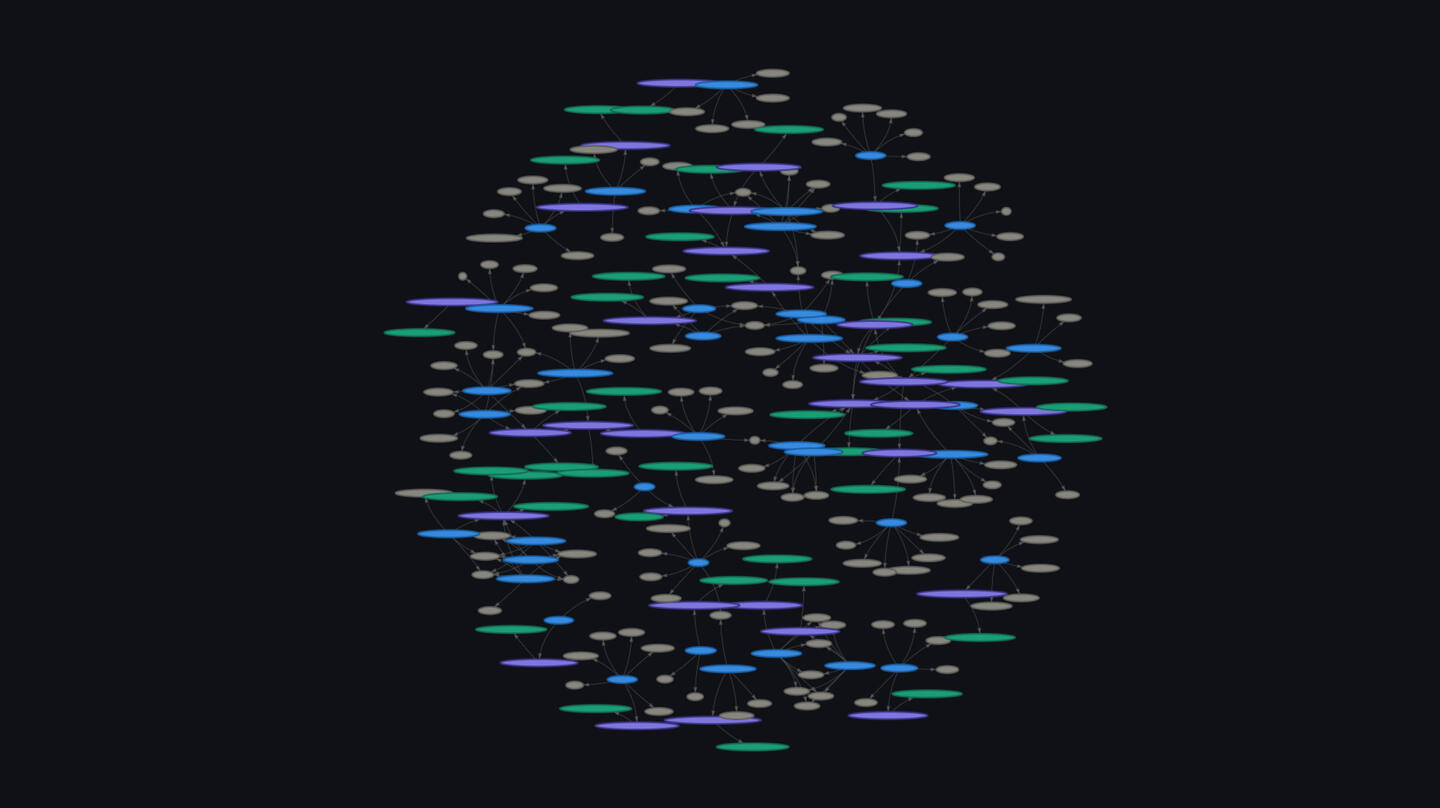
Engineering experts are retiring. Simultaneously, gratuitous use of generative AI threatens to bury genuine documentation of design decisions. To address this, we extract functional information from multimodal engineering documentation and structure problem / solution entities as a design knowledge graph with a user interface.Funded by:
+ AI Port Center Catalyzer Grant
+ Digital Futures Industrial and Societal Partnership Program
+ Nordisk Elkraftteknik (NEKTAB)
Digital Twin of Function for Industrial Symbiosis
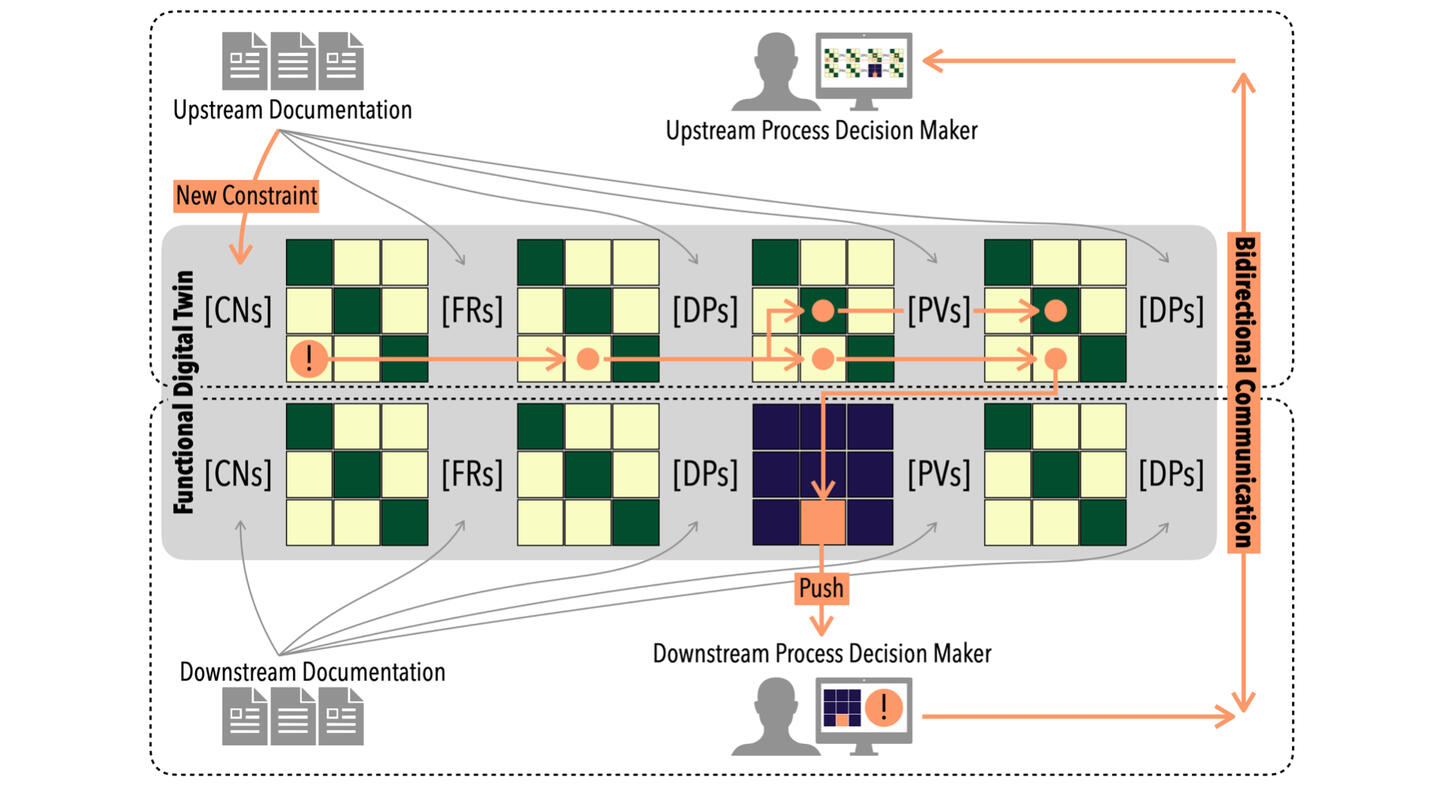
Circularity is a holy grail of sustainability with an achilles heel when it comes to manufacturing: coupling inputs of one process to the outputs of another renders production vulnerable to slight adjustments. We develop digital twins representing function to map how changes propagate through an industrial symbiosis.Funded by:
+KTH Sustainability Office
Sustainability without Boundaries Grant
Representing Engineering Design for Computation
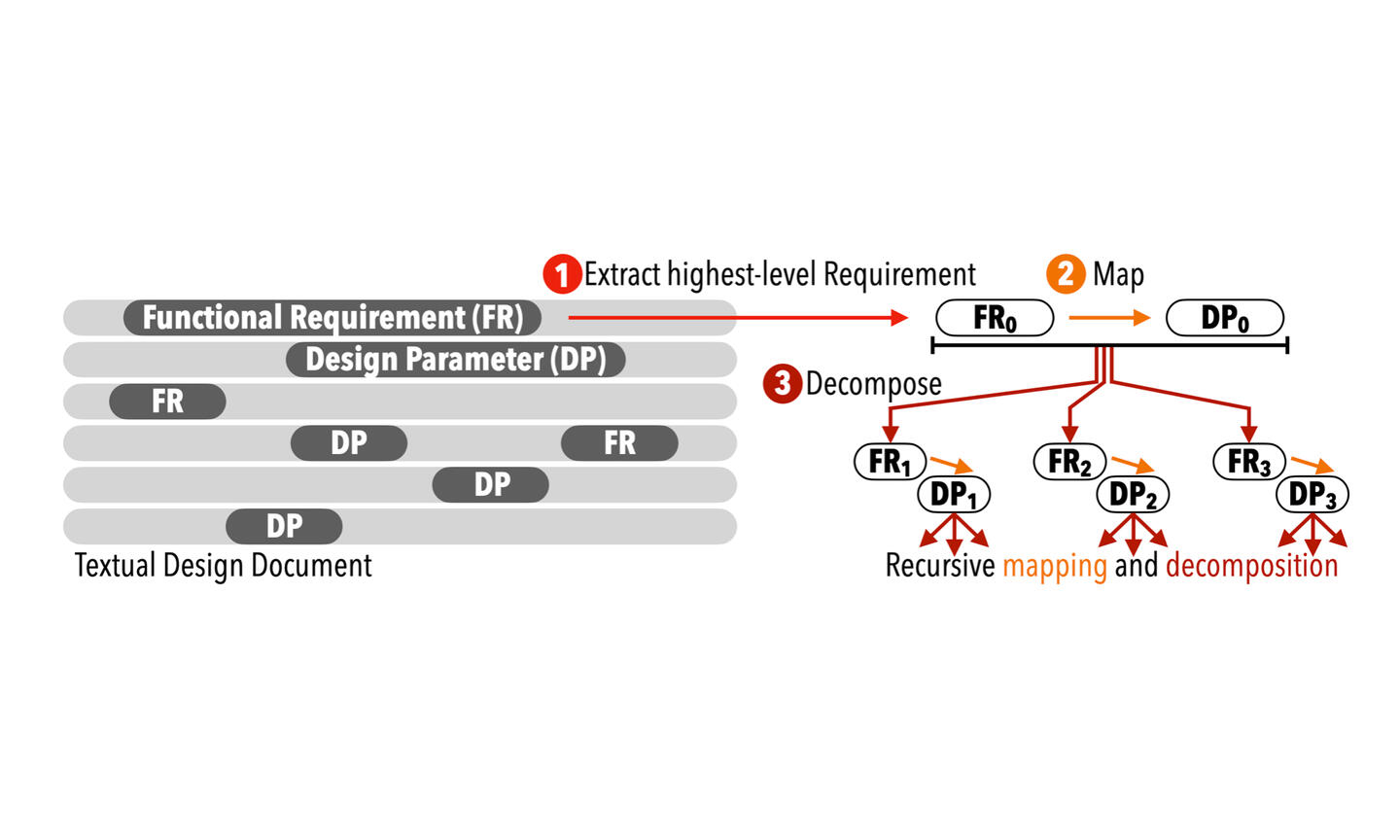
Design documentation lacks consistent structure, may be textually described, and is often sparse. This research applies natural language processing to recursively extract latent problem-solving information trees from unstructured design documentation.Funded by:
+ Digital Futures Postdoctoral Fellowship
Thermal Prediction for Metal Additive Manufacturing
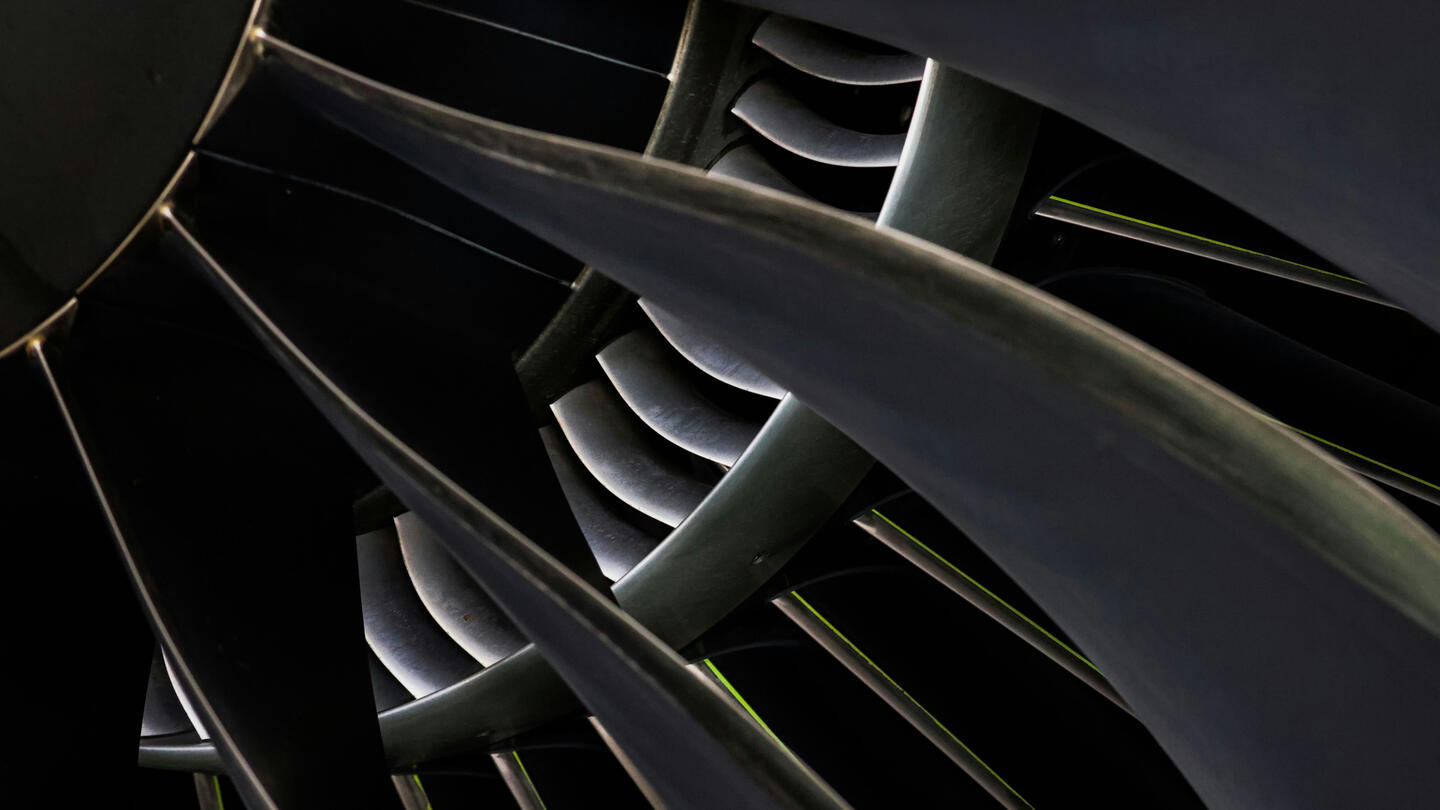
Predicting thermal evolution for Laser Powder Bed Fusion (LPBF) allows manufacturing constraints to inform better design, but at a high computational cost when simulation-based. This research develops methods to learn from interdependent spatial and temporal fabrication data.
In collaboration with Prof. Can AyasFunded by:
+ Royal Netherlands Aerospace Centre
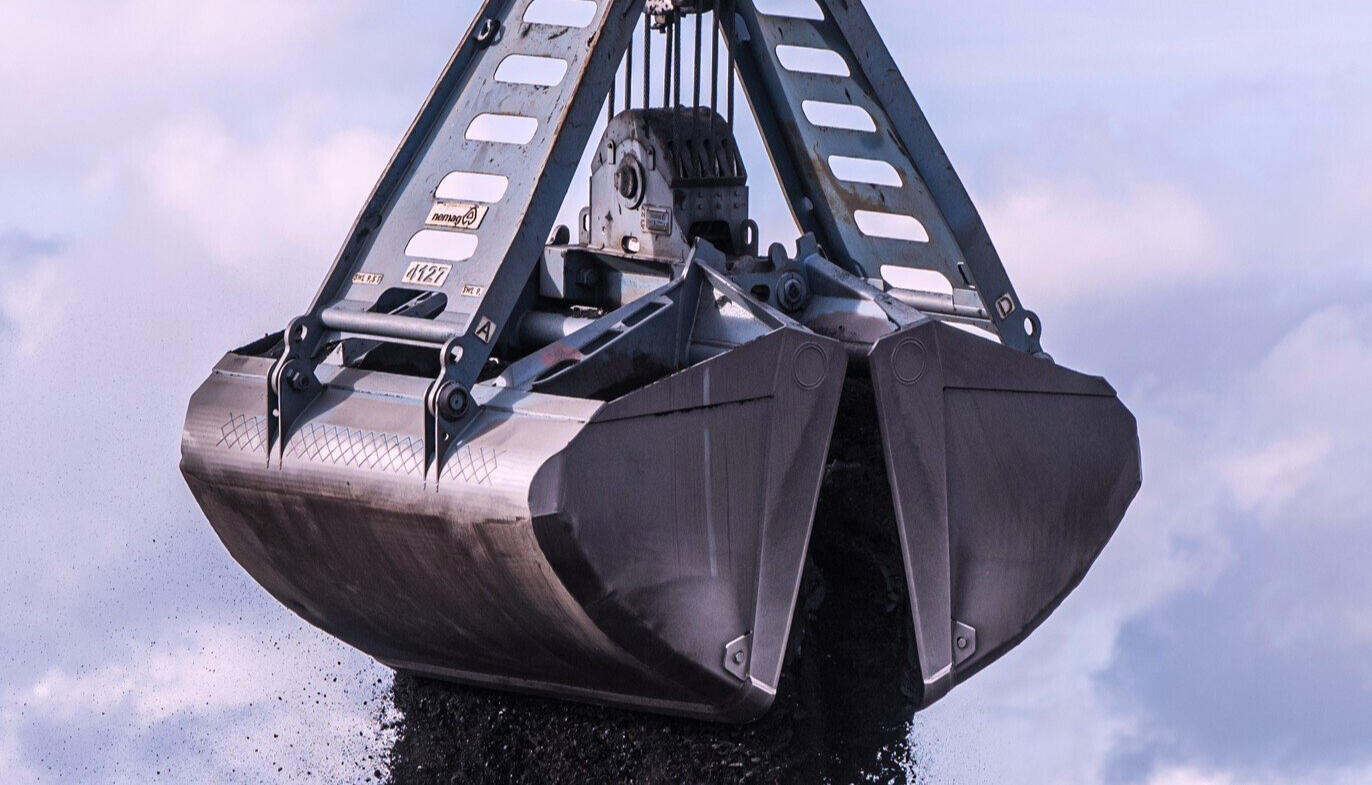
Generative Multi-objective Design of Bulk Unloaders
The design of real industrial products such as bulk unloading equipment must satisfy many requirements and operate reliably under many sources of uncertainty. This research develops generative design methods to address these challenges.
In collaboration with Prof. Dingena SchottFunded by:
+ NEMAG B.V.
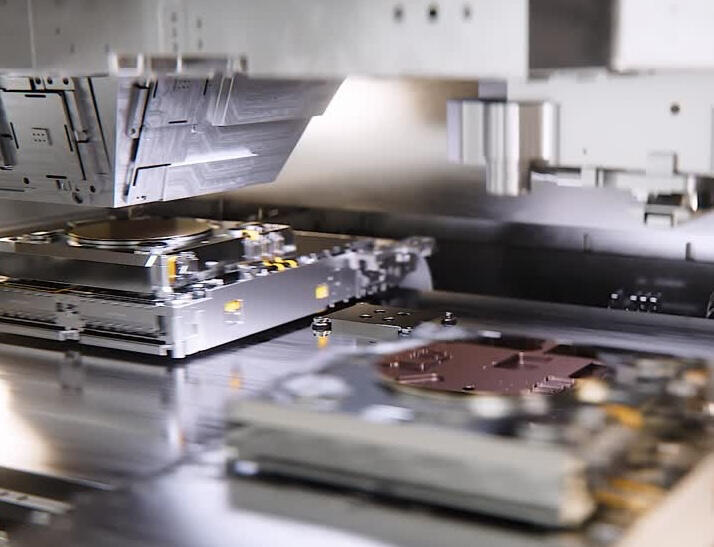
Generative Cross-Functional Design of Motion Stages
Semiconductor manufacturing involves patterning material with incredible precision at tremendous speeds. This research develops generative design methods to optimize motion stage topology for vibrational, structural, and electromagnetic requirements
In collaboration with Prof. Matthijs LangelaarFunded by:
+ Dutch Research Council (NWO)
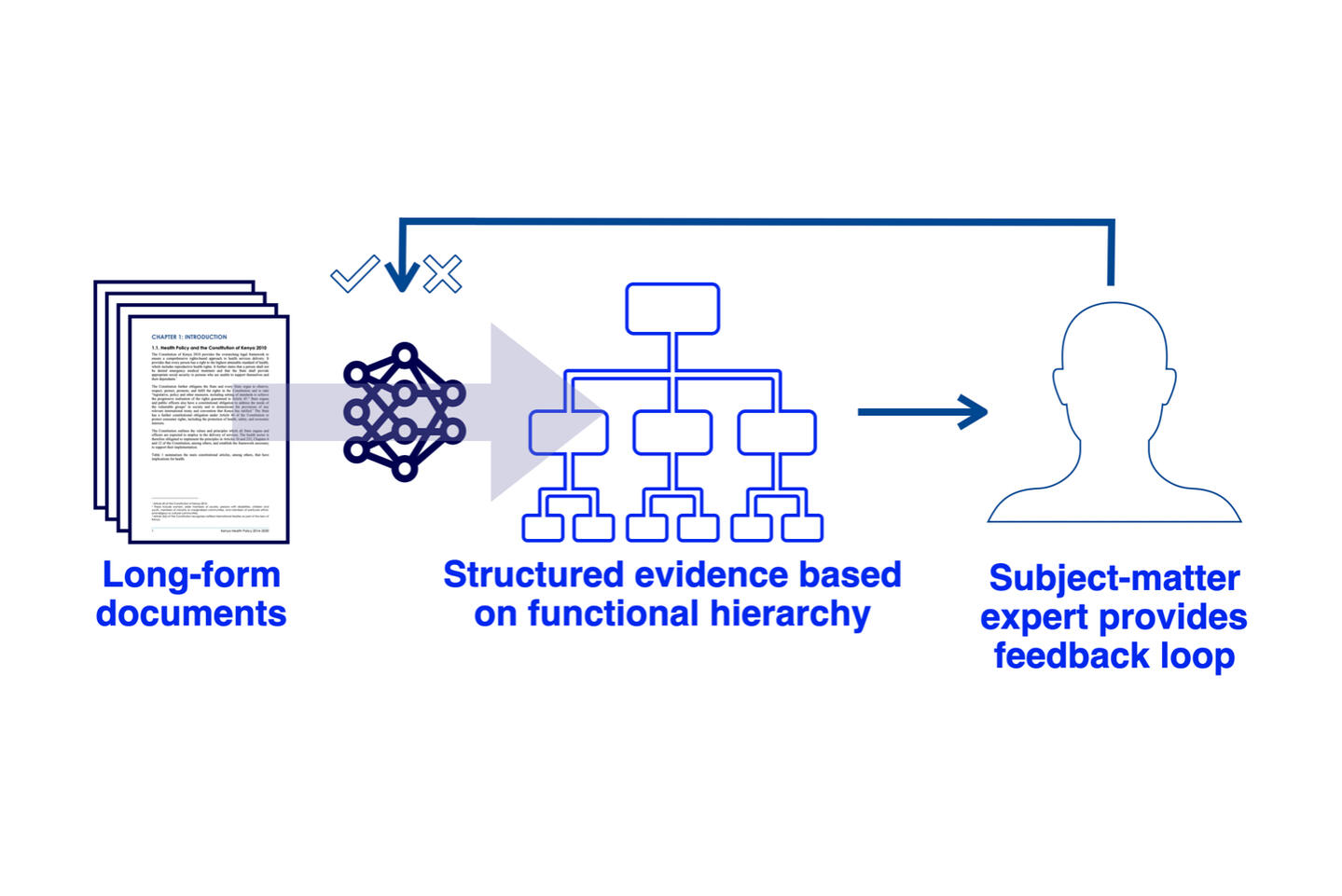
Automating Sanitation Policy Evidence Synthesis
Sustainability policy documents are notoriously long-form, so manual analysis by experts to analyze their requirements and evaluate progress is time-consuming. This research applies our requirement-extraction methods to develop a tool for policy analysis in the context of sanitation infrastructure design.
In collaboration with Stockholm Environment Institute (SEI)Funded by:
+ Swedish Research Council for Sustainable Development
Past Research Projects
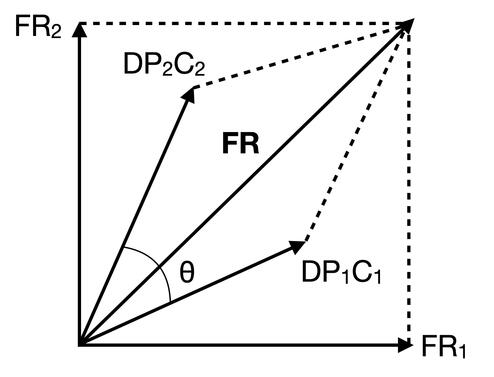
Measuring Functional Coupling with Language Models
Design theory has established standards for good design, but quantifying such metrics can be difficult when requirements are qualitative. This research represents requirements and design parameters using language models by constructing a semantic vector space of the functional domain.
Energy Harvesting Footwear Design
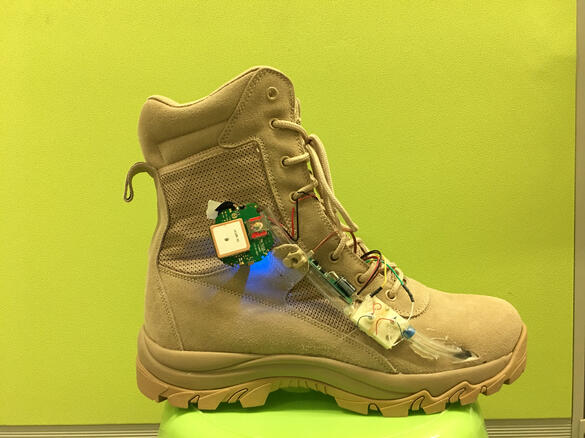
Find a source of electric power can be difficult in remote areas. This research involved developing a bidirectional turbine enclosure connected to rubber lungs embedded in a shoe to convert footsteps into electricity.
United States Patent 10973276B2
Bi-stable Buckled Beam MEMS Oscillator
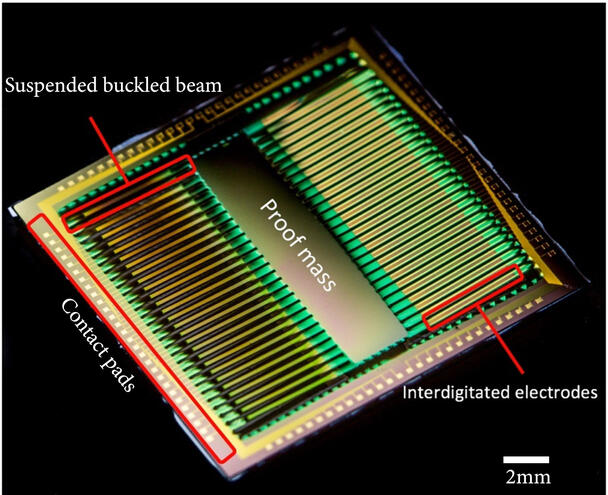
Piezoelectric materials can convert mechanical deformation into electric charge, but at the micro-scale their natural resonant frequency is much higher than most ambient vibrations. This research developed a nonlinear piezoelectric oscillator to harvest energy from vibrations below 100Hz.
We support the teaching of the first year BSc course Strength of Materials, and MSc courses Machine Learning for Mechanical Engineering and Computational Design
Bachelor End Projects (BEP)
We advise BEP groups! Current BSc students in Mechanical Engineering at TU Delft should select our advertised projects if they have interest in the area of design, sustainability, or artificial intelligence.
We are part of the Precision and Microsystems Engineering Department in the Faculty of Mechanical Engineering at TU Delft. More information on degree programs and courses can be found in the department website.
Haluk Akay
Assistant Professor
Mikhail Anisimov
PhD Candidate

Kawen Li
PhD Candidate
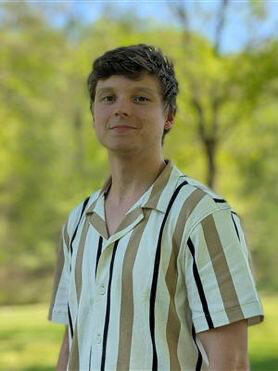
Felix Tieleman
PhD Candidate
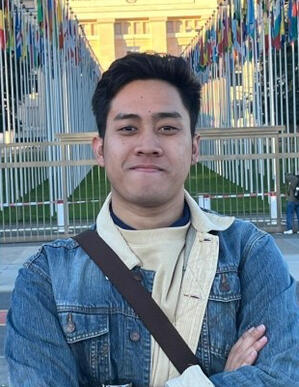
Subhan Arifin
PhD Candidate
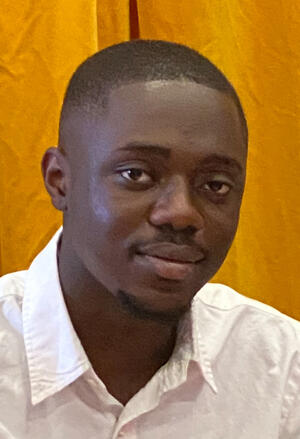
Michael Nti-Marfo
MSc Researcher
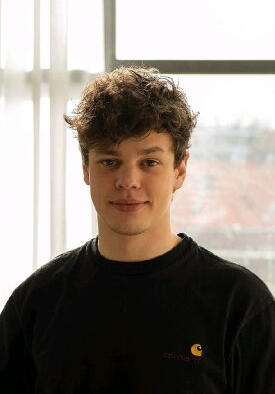
Mark Schreurs
MSc Researcher

Gustaaf Jans
MSc Researcher
Group Alumni
Tomas Elmgren (BSc), current: Intern at Ericsson R&D
Katharina Theuner (MSc), current: PhD candidate at Karlsruhe Institute of Technology
Luis Barreno Reyes (MSc), current: software engineer at Hitachi Energy
Chang-Han Chen (MSc), current: equipment design engineer at CTCI
Tzu-Yao Chen (MSc), current: system engineer at Qvantum Energi AB
Axel Götling (MSc), current: engineer at Swedish Ministry of Defense
Join our team
We always seek researchers passionate about engineering design and computation.Check the university's vacancies webpage for PhD and postdoctoral opportunities.MSc students already enrolled at TU Delft interested in thesis projects should contact by email
NWO Veni Grant Awarded: The Dutch Research Council (NWO) has awarded the Deep Design Lab a 320.000 euro Veni personal grant to develop a machine learning architecture specific to the engineering design process with co-funding from and in collaboration with ASML.
July 2026
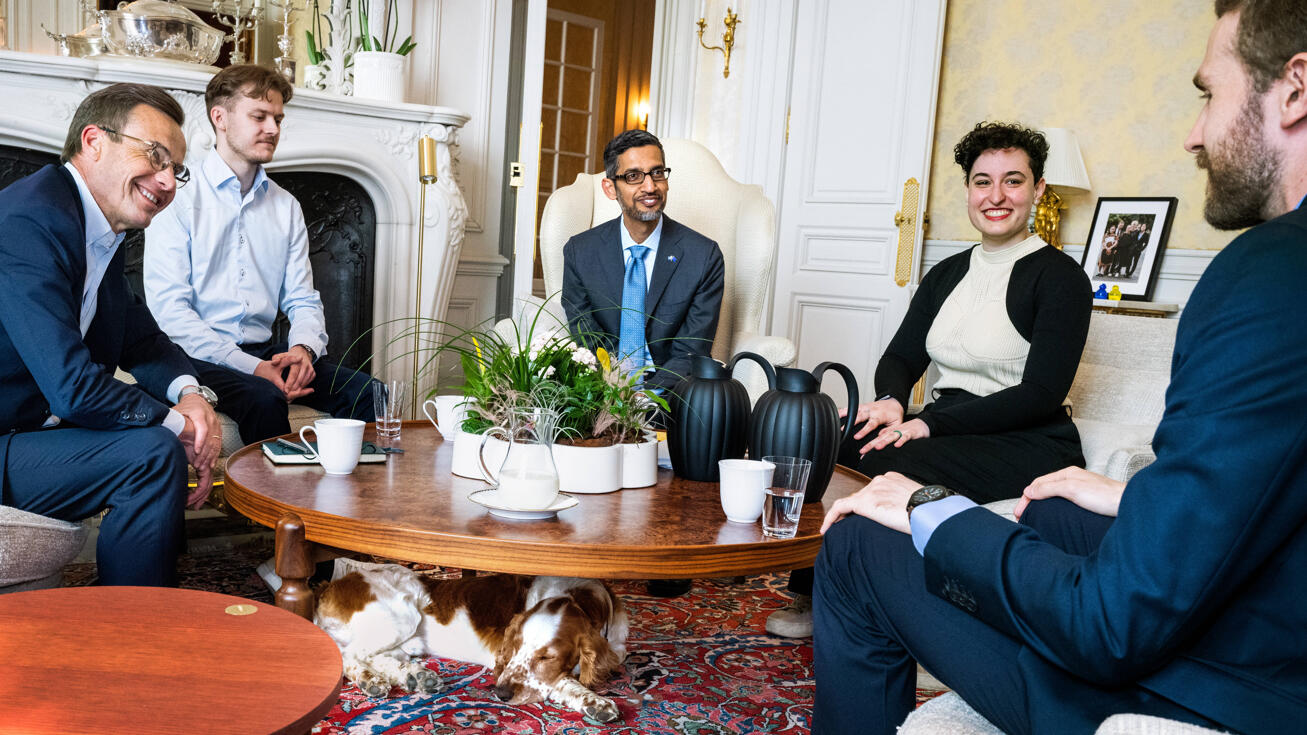
Chatting with Google CEO and Swedish PM: Haluk discussed the roles of government, industry, and academia in the context of AI innovation in Europe with the Prime Minister of Sweden Ulf Kristersson and the CEO of Google Sundar Pichai at the PM's residence in Stockholm.
May 2023
TEDx Talk: Haluk gave a talk entitled "What might we lose when we start to rely on generative AI?" at KTH Royal Institute of Technology, contemplating the unintended effects of automating thinking with computation.
May 2024
Podcast Guest: Haluk was invited for a conversation on The AI Pod about design, sustainability and AI with host Avid Fayaz. Check out the podcast on Spotify:
February 2024
MIT YouTube: Our energy harvesting footwear invention was featured on the MIT Mechanical Engineering YouTube page with a video shot with our collaborators in Singapore:
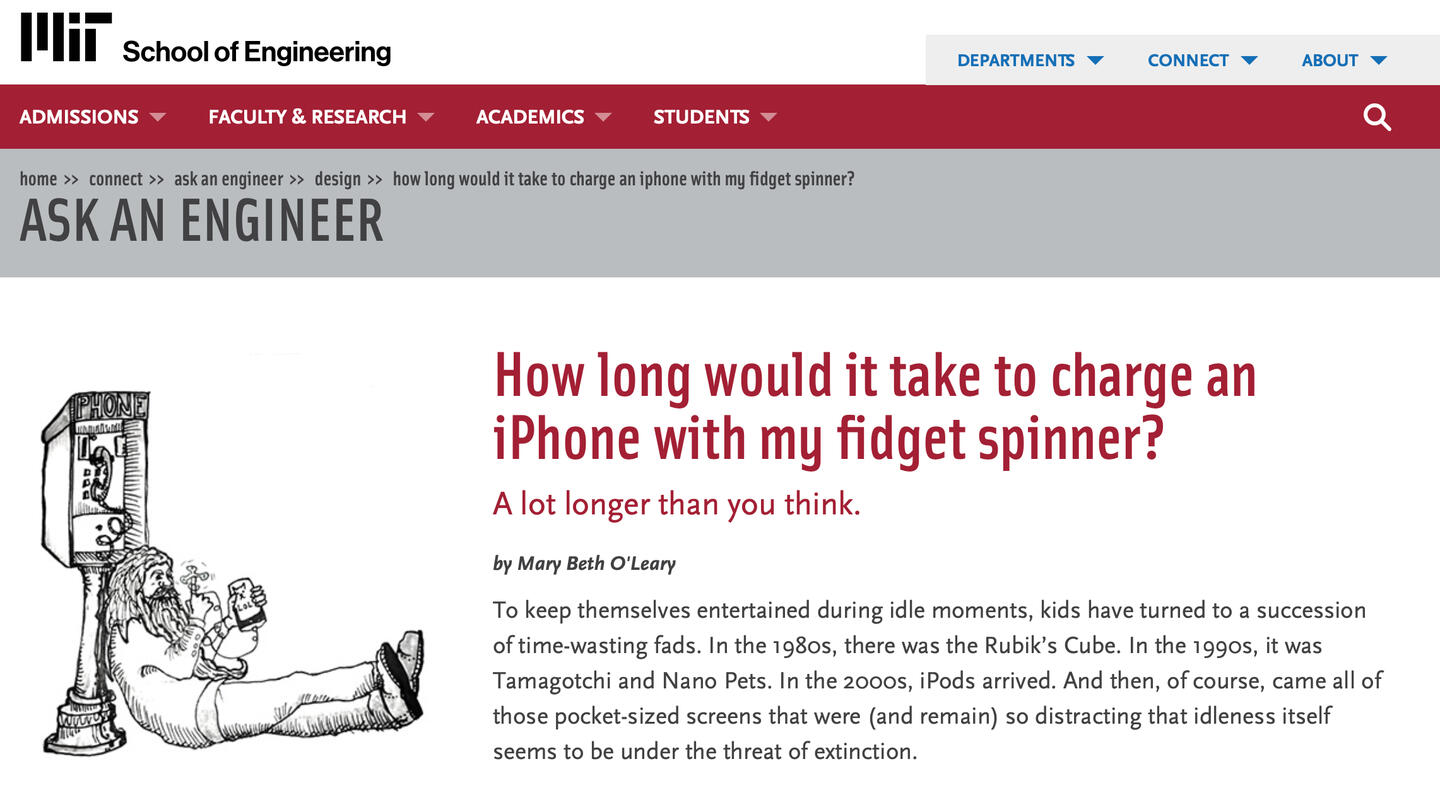
MIT Ask an Engineer: Haluk answered questions about using fidget spinners to charge smartphones with this MIT outreach activity.
The Deep Design Lab is part of the Computational Design & Mechanics section within the Department of Precision & Microsystems Engineering at the Faculty of Mechanical Engineering of TU Delft.To contact a specific individual at the lab, please refer to our team page.Technology licensing inquiries can be directed to Innovation & Impact @ TU Delft
General contact information
Join our team
We always seek researchers passionate about engineering design and computation.Check the university's vacancies webpage for PhD and postdoctoral opportunities.MSc students already enrolled at TU Delft interested in thesis projects should contact by email
Visit us at TU Delft
We are located centrally on TU Delft's campus in the Faculty of Mechanical Engineering.Mekelweg 2
2628 CD Delft
The Netherlands